When a client wants a boat, I do not start with the price or the hours. Both are in the listing. I start with a short list of questions for the seller’s side, and on most boats that means the listing broker.
It is a short list on purpose. The survey, the sea trial and the engine survey answer most of what people think they need to ask. These are the questions to ask when buying a used boat before any of that, and they decide whether a boat is worth surveying at all.
What it costs you to have a broker ask them
Typically nothing. On a used boat sale the seller pays the commission. When the buyer brings their own broker, the two brokers split that commission under what the industry calls co-brokerage, so the buyer’s broker is paid out of money the seller was already paying.
The timing matters, though. The listing broker represents the seller. That is their job, and a good one does it well. If you want somebody representing you, decide that before you start talking to anyone about a specific boat. So decide first, then shop.
Can I see the service records?
Going into a survey, I want a general idea of how the boat was maintained. The service records give me that.
No service records is a red flag. Recent services and repowers usually show up in the listing, because sellers like to advertise them. The records are how I see everything the listing does not mention.
What is under warranty, and for how long?
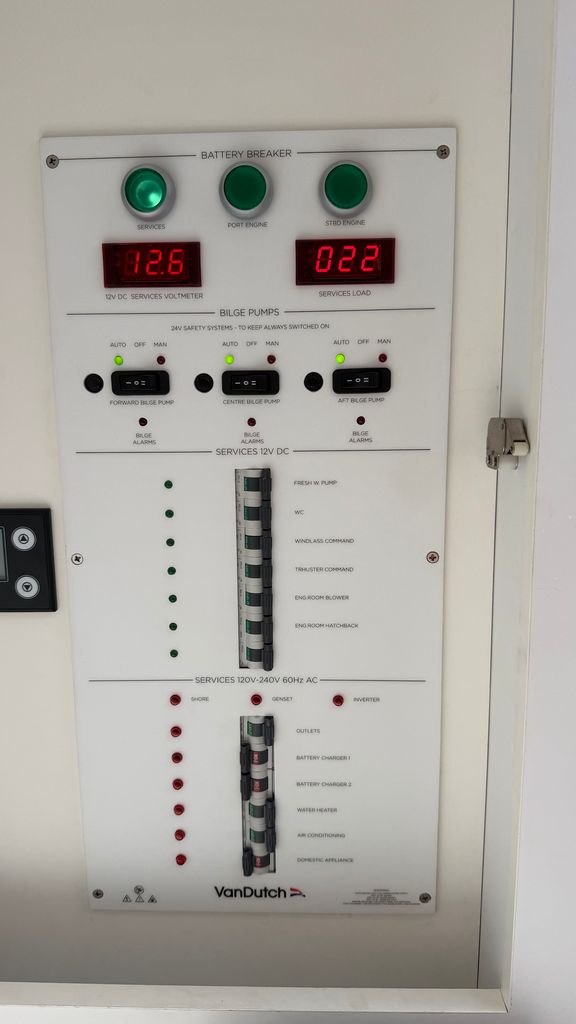
Confirming warranties is part of due diligence on every boat, and it is the question that has killed a deal for me.
I flew out of state to survey a 2023 model year boat for a client. It was advertised as new, with the warranties taking effect on closing. On a boat sold as new, that warranty clock is part of what you are paying for.
Before we went any further, I checked the warranty status with my Volvo dealer. The warranty had not been waiting for my client. It had started when the boat was delivered to the dealership.
We had made our offer conditional on the warranties taking effect on delivery to my client. They were not going to, so the deal was dead.
The listing said one thing and the Volvo dealer said another. My client only knew because somebody checked with the dealer instead of taking the listing’s word for it.
How was she maintained? A captain, a management company, or the owner?
The answer tells me who actually knows the boat, and what kind of record I should expect to find when the service file arrives.
Has she ever taken on water?
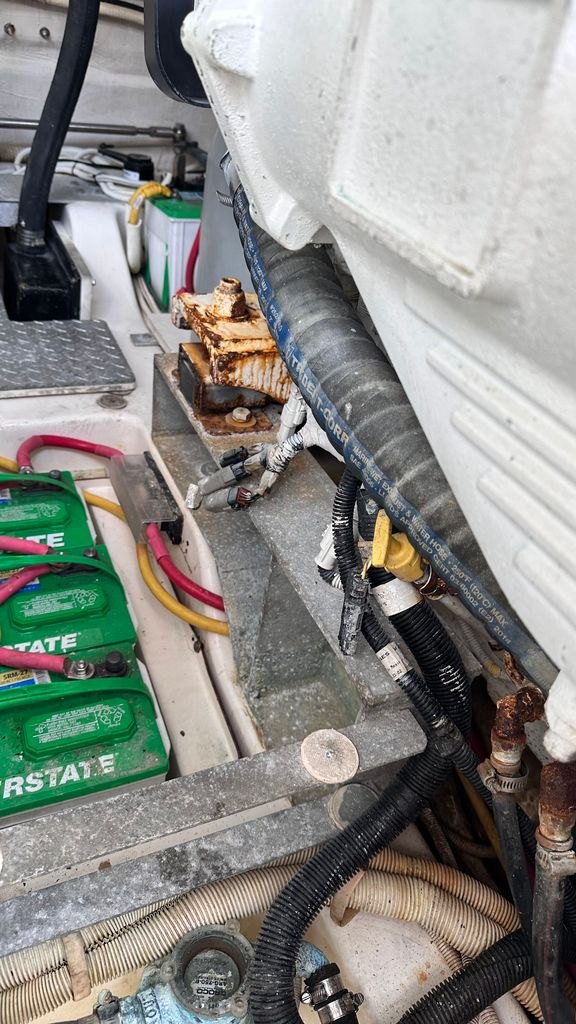
I ask it directly. Sometimes the answer is honest. Sometimes the service records answer it instead, and sometimes it only shows up on survey day. Here is what that looks like when you know where to look.
A boat that has taken on water is not automatically a bad boat. Disclosed, documented and properly repaired, it can still be a good buy. What I will not accept for a client is finding out after the money has moved.
Can I come see it?
The last question is the simplest. Listing photos are chosen by the person selling the boat, and some things only make sense standing on the deck and opening the hatches.
What I leave to the survey
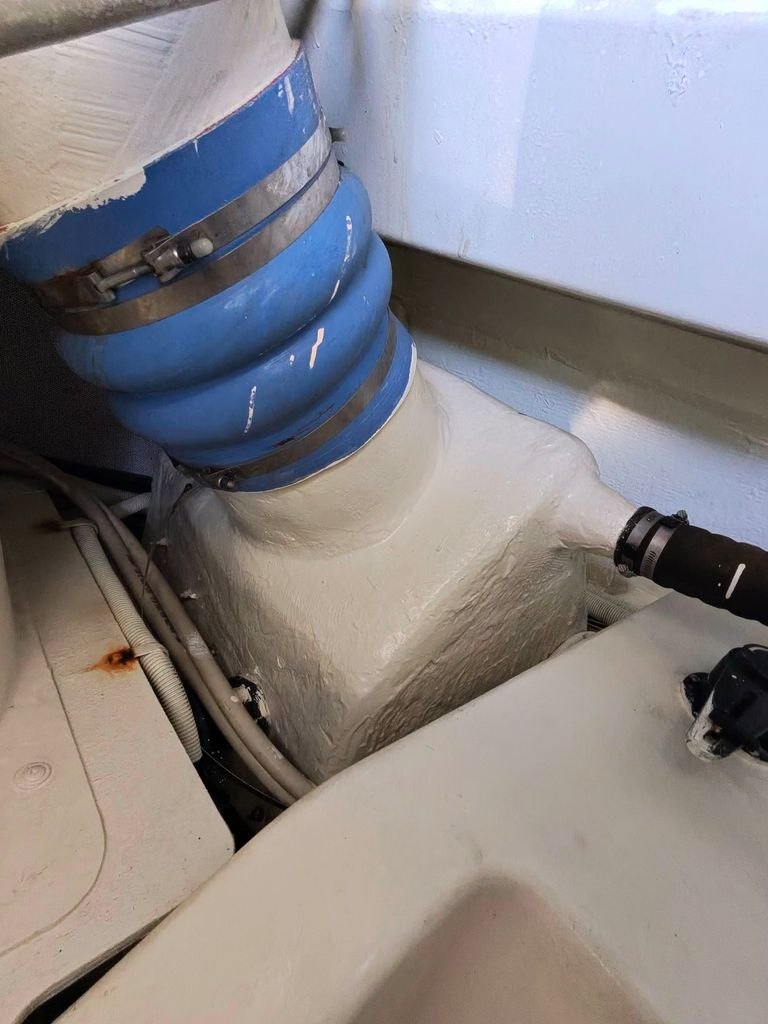
Most of what people think they need to ask gets answered without asking. Repowers and recent services are usually in the listing already. The condition of the hull, the systems and the running gear is what the survey is for, and how the engines actually run gets settled on the sea trial.
I recommend an engine surveyor on every deal. The engine survey is the thing most likely to reprice or end one, and a broker who does not recommend it is a red flag. How I read engine hours is here.
Buying in South Florida?
If you are starting a search and have not yet contacted a listing broker about a specific boat, hire a broker who works for you. I will run the questions on this page, handle the survey and the negotiation, and take you through to closing. In a typical sale the seller’s commission covers it.
Three documents before my client signs
Not after the survey. Before my client’s name goes on anything.
- Proof she is the seller’s to sell. The Coast Guard Certificate of Documentation or the Florida title, in the name of the person signing. If the name on the paper is a company, I ask who signs for the company.
- A lien search. An abstract of title from the National Vessel Documentation Center on a documented boat, or the Florida record on a titled one.
- The service records. Whatever exists. Invoices, engine reports, hour logs.
On timing, here is how I run it. The lien search goes out as soon as I have a signed contract, because that is when the clock on your deposit starts. If something about the boat bothers me, I pull the lien search before we go under contract instead. It costs very little and it has killed deals that needed killing.
If I am your broker, the deposit is always held in the Prestige Marine escrow account.
Common questions
What are the questions to ask when buying a used boat?
Start with five. Can I see the service records? What is under warranty, and for how long? Was she maintained by a captain, a management company or the owner? Has she ever taken on water? Can I come see it? Leave the condition questions to the survey and the sea trial.
What if a used boat has no service records?
Treat it as a red flag. It does not mean the boat was neglected, but it means nobody can show you it was not, and the survey has to carry the whole weight.
Do I need my own broker to buy?
You are not required to have one, and it typically costs you nothing, because the buyer’s broker is paid out of the seller’s commission under co-brokerage. If you want your own, bring them in before you start talking to anyone about a specific boat.
Having someone ask them for you
None of these questions are complicated. The difference is knowing what a good answer sounds like, and checking the ones that matter instead of taking them on trust.
If you are buying a boat in South Florida and are not yet working with a broker, call me before you contact a listing broker about a specific boat. I will represent you from the first call to closing, and in a typical sale it costs you nothing.
If you are already talking to a broker about a boat, stay with them and hand them this list. A good one will already be asking most of it.